Understanding Incontinence in Dogs
Understanding Incontinence in Dogs – Causes and Treatment Options
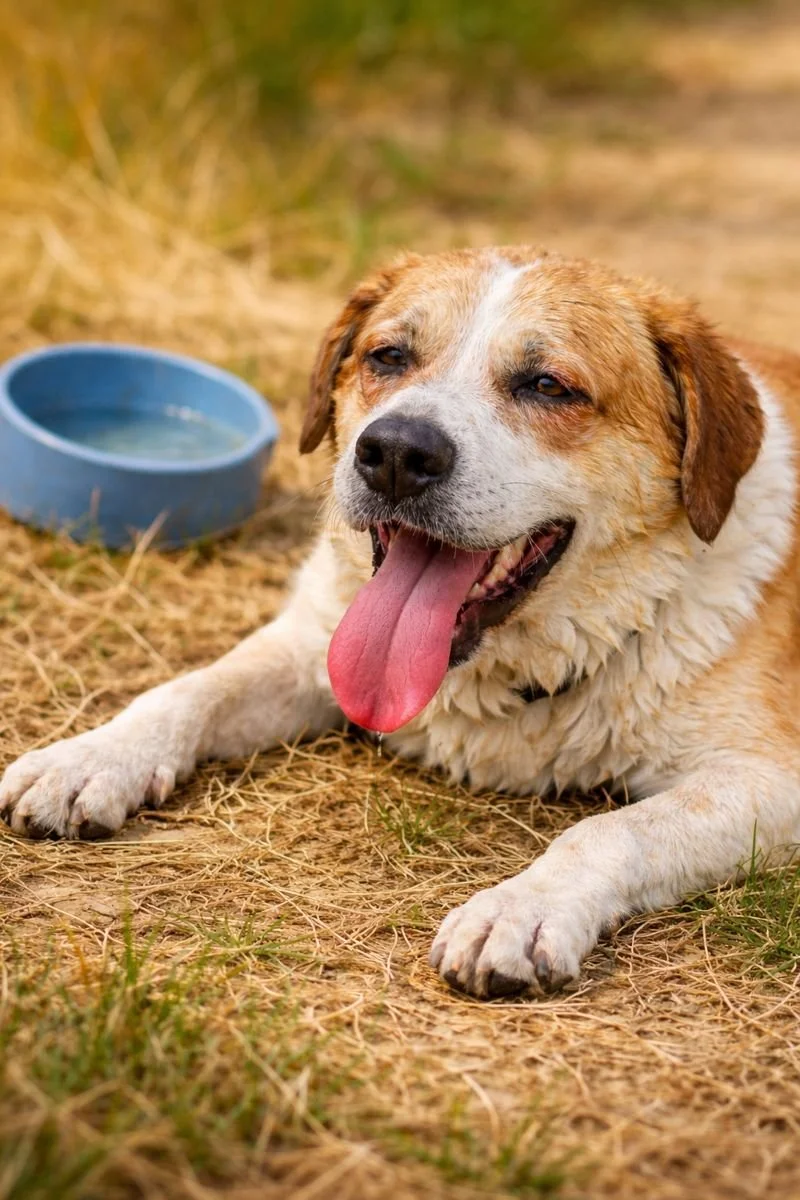
If you’ve noticed your dog leaking urine while resting, sleeping, or leaving wet patches around the house, they may be experiencing urinary incontinence. It’s a common condition, particularly in older, desexed female dogs, but it can affect dogs of any age, sex, or breed.
What is incontinence?
Incontinence refers to the involuntary loss of urine, meaning your dog isn’t aware that it’s happening. It’s important to distinguish this from inappropriate urination due to behavioural issues, excitement, or lack of training. Incontinent dogs genuinely can’t control their bladder.
Common causes
The most frequent cause of urinary incontinence in dogs is urethral sphincter mechanism incompetence (USMI), where the muscle that controls urine flow becomes weak, often after desexing or as a dog ages.
Other possible causes include:
Urinary tract infections (UTIs)
Bladder stones or crystals
Spinal or neurological disorders affecting bladder control
Hormonal changes
Congenital abnormalities (in younger dogs)
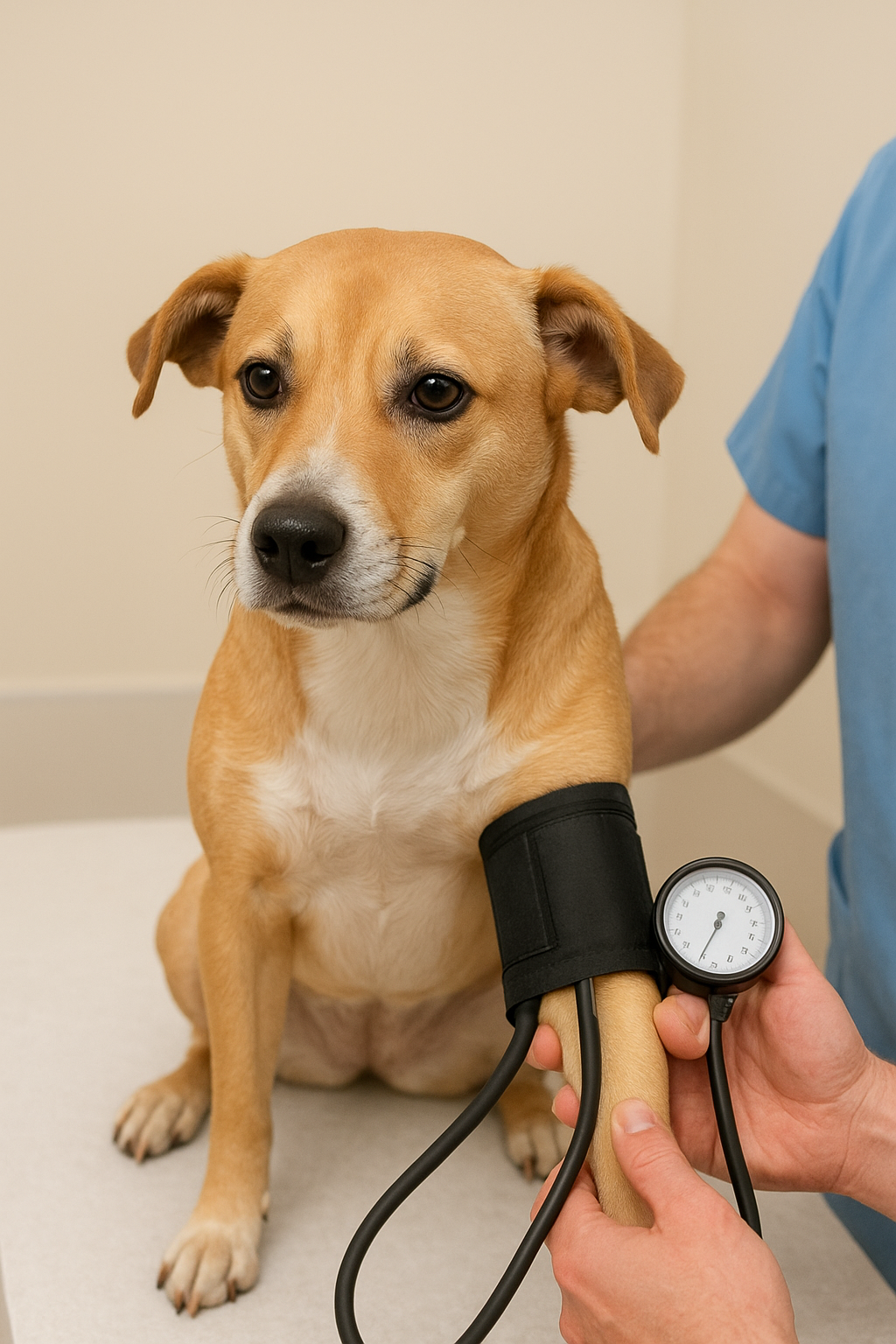
Your vet may recommend diagnostic tests such as a urine sample, blood tests, imaging (like ultrasound or X-rays), or neurological assessment to determine the exact cause.
How is incontinence treated?
Treatment depends on the underlying cause:
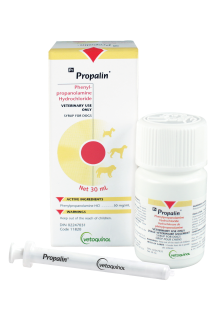
Hormonal or muscle weakness: The most common treatment is a medication that strengthens the urethral sphincter. Drugs such as Propalin (Phenylpropanolamine) or oestrogen-based medications such as Incurin (in females) often work very effectively.
Urinary infections: Antibiotics are prescribed after confirming infection with a urine culture.
Bladder stones or structural issues: These may require surgery or dietary changes.
Neurological causes: Management may include medications, physiotherapy, or supportive care depending on the severity.
In some cases, a combination of medications or even surgical options can be considered if the incontinence doesn’t fully resolve with first-line treatments.
Living with an incontinent dog
Most incontinent dogs can live perfectly happy, comfortable lives once treatment begins. Using waterproof bedding, encouraging regular toilet breaks, and keeping the hind area clean can help prevent urine scald and maintain comfort.
When to see your vet
If you suspect your dog is leaking urine or having accidents they can’t control, it’s always worth a check-up. With the right diagnosis and treatment, most cases of incontinence can be effectively managed.