High Blood Pressure in Cats and Dogs – The Hidden Risk
High blood pressure (hypertension) isn’t just a human problem, our pets can develop it too, especially as they get older. Left untreated, it can quietly cause damage to vital organs such as the eyes, kidneys, heart, and brain.
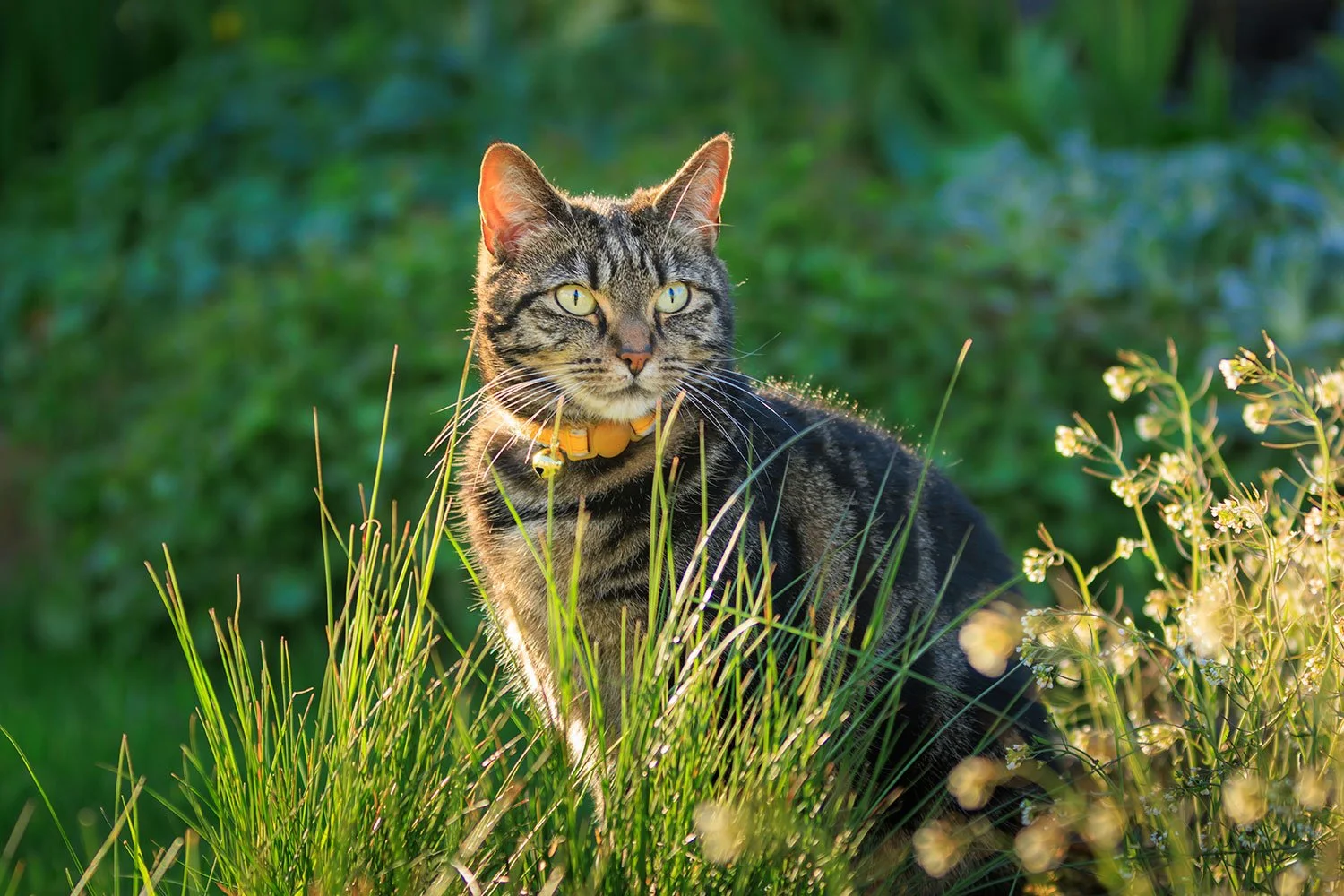
In cats, high blood pressure is often secondary to other conditions like chronic kidney disease or overactive thyroid glands (hyperthyroidism). Owners may notice subtle changes such as dilated pupils, sudden blindness, or behavioural shifts like restlessness or confusion.
In dogs, hypertension is commonly linked to heart disease, kidney disease, or hormonal disorders such as Cushing’s disease. Signs can include vision problems, weakness, or seizures. However, in many cases, pets show no obvious symptoms at all.
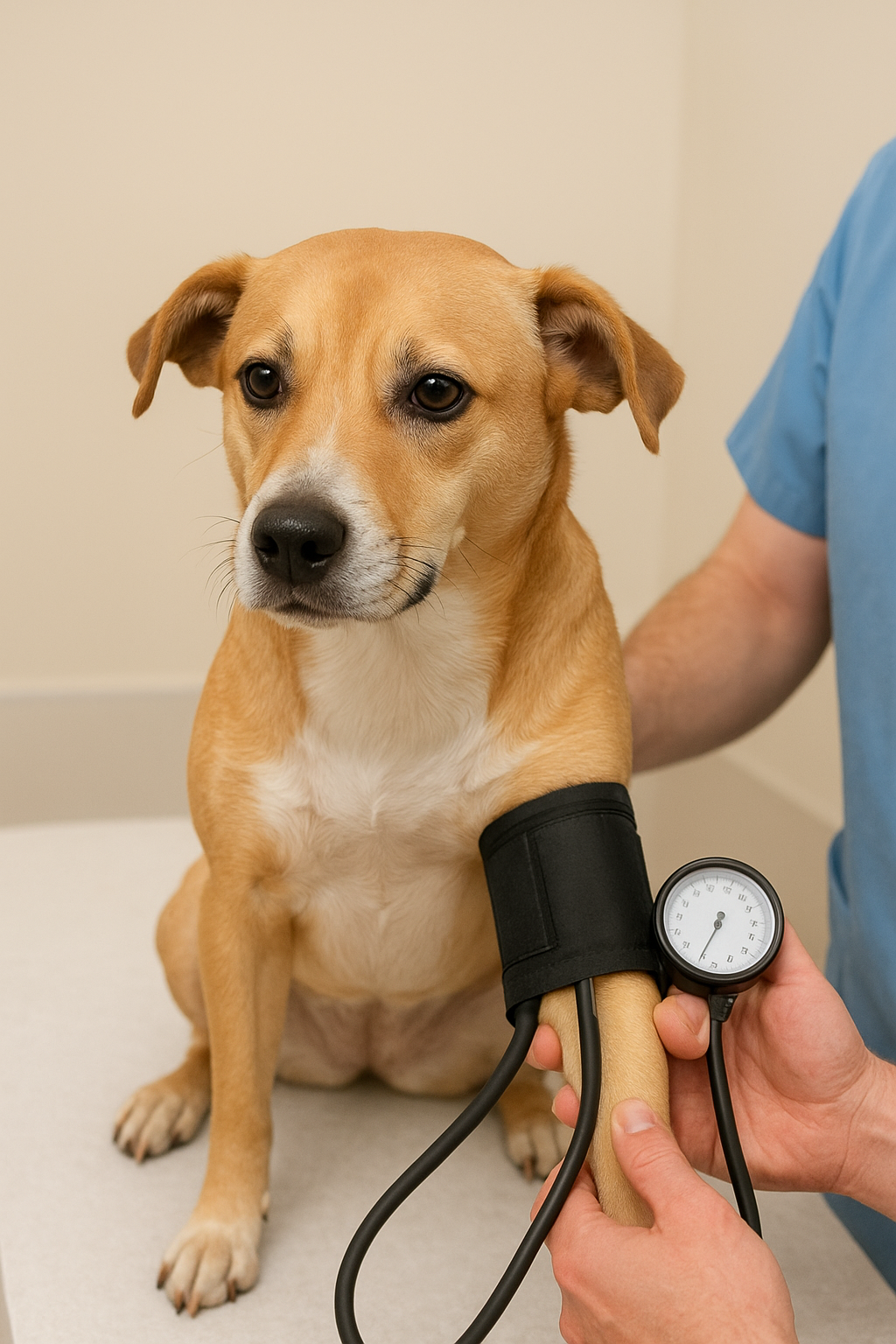
Because hypertension can be silent, regular blood pressure checks are an important part of senior pet care. Measuring blood pressure in pets is quick, painless, and can be done during a standard consultation.
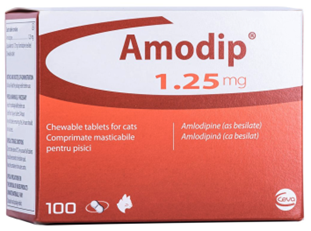
Treatment depends on the underlying cause. Many cats respond well to a daily medication called Amlodipine, which helps relax blood vessels and lower pressure. Dogs may require different medications such as ACE inhibitors or angiotensin receptor blockers, particularly if heart or kidney disease is involved. Regular monitoring helps ensure that treatment keeps blood pressure stable and organs protected.
If your cat or dog is over seven years old, or has a known medical condition, ask our vets about a blood pressure assessment at their next visit. Early detection and treatment can make all the difference in protecting their long-term health and quality of life.