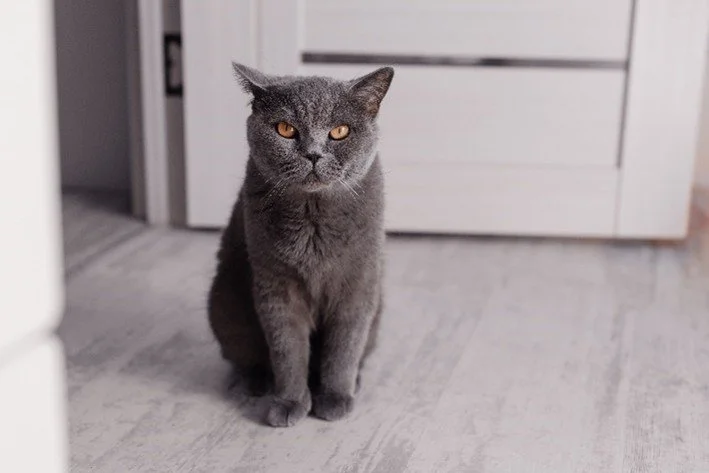
Senior care for Cats
As our feline companions grow older, their needs begin to change in subtle but important ways. With advances in veterinary care and nutrition, cats are living longer than ever, making it essential for owners to understand how to support their ageing pets through every stage of life.
Understanding the Ageing Process in Cats
Cats are generally considered “senior” from around 10–12 years of age, although this can vary between individuals. Ageing in cats is a gradual process that affects multiple body systems. Common changes include reduced mobility, decreased kidney function, dental disease, weight fluctuations, and changes in behaviour such as increased sleeping or reduced interaction.
It’s important to remember that many signs of ageing can also indicate underlying disease. Conditions such as chronic kidney disease, arthritis, hyperthyroidism, and diabetes are more common in older cats and often develop slowly. Early detection is key to maintaining quality of life.
Key Nutritional Needs
Nutrition plays a critical role in supporting ageing cats. Senior cats benefit from diets that are:
Highly digestible to support gastrointestinal function
Moderate in protein but high quality to maintain muscle mass
Controlled in phosphorus and sodium to support kidney health
Rich in antioxidants and omega-3 fatty acids to reduce inflammation and support cognitive function
Prescription or premium senior diets, including renal-specific options when indicated, are often recommended. Maintaining a healthy body weight is equally important. Both obesity and weight loss can significantly impact overall health.
At-Home Monitoring and Preventative Care
Owners play a vital role in early detection of health issues. Encouraging regular at-home monitoring can make a significant difference. Key things to watch for include:
Changes in appetite or water intake
Weight loss or gain
Altered litter tray habits (urination or defecation changes)
Reduced grooming or a scruffy coat
Stiffness, reluctance to jump, or decreased activity
Behavioural changes such as hiding or increased vocalisation
Routine veterinary visits are essential, ideally every 6 months for senior cats. These check-ups may include physical examinations, blood tests, urine testing, and blood pressure monitoring to detect disease early.
Preventative care should also include dental health management, parasite control, and keeping vaccinations up to date based on lifestyle risk.
Supporting Mobility and Arthritis Management
Arthritis is extremely common in older cats but often goes unnoticed, as cats are skilled at hiding pain. Signs can be subtle, such as reduced jumping, hesitancy on stairs, or changes in grooming habits.
There are several ways to support cats with arthritis:
Environmental modifications: Providing ramps, soft bedding, and easy access to litter trays and food
Weight management: Reducing strain on joints
Joint supplements: Products containing glucosamine, chondroitin, omega-3 fatty acids, and green-lipped mussel may provide support
Pain relief medications: As prescribed by a veterinarian
A newer and highly effective option for managing feline arthritis is Solensia, a monthly injectable monoclonal antibody therapy that targets pain pathways associated with osteoarthritis. Many cats show significant improvement in mobility and comfort with this treatment, making it a valuable option for long-term pain management.
Final Thoughts
Caring for an ageing cat is about recognising change, staying proactive, and working closely with your veterinary team. With appropriate nutrition, regular monitoring, preventative care, and effective pain management strategies, senior cats can continue to enjoy a comfortable and fulfilling life well into their golden years.
If you have any concerns about your cat’s health or behaviour, don’t wait, early intervention can make all the difference.As our feline companions grow older, their needs begin to change in subtle but important ways. With advances in veterinary care and nutrition, cats are living longer than ever, making it essential for owners to understand how to support their ageing pets through every stage of life.